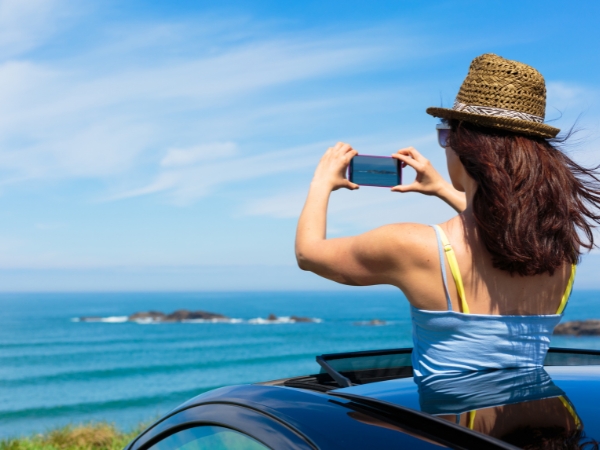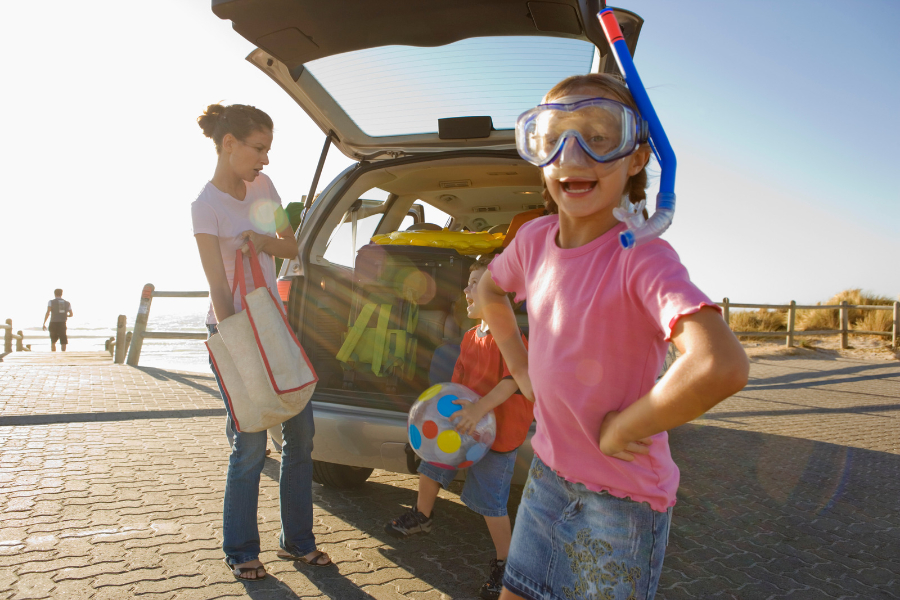
When you visit Fujairah in December, you can enjoy mild weather, pleasant sea temperatures, and excellent snorkelling opportunities. The seawater averages around 25°C, so you can swim comfortably without wearing a thick wetsuit. You can rent a car in the UAE and explore the scenic east coast, including Snoopy Island and Dibba Rock. Our guide covers the best snorkelling spots, winter sea conditions, and practical tips for planning your coastal road trip.
Best Snorkelling Spots in Fujairah in December
Along the Gulf of Oman, you can explore colourful coral reefs directly from the beach or join guided boat trips. Choose from these five destinations based on your swimming experience and the marine life you want to see.
1. Snoopy Island: Colourful Coral Reefs and Sea Turtles
Located off Al Aqah Beach, Snoopy Island has shallow coral gardens where you can spot butterflyfish, clownfish, and lionfish. You might also encounter moray eels and sea turtles feeding near the reef. Much of the surrounding reef is around 3 to 8 metres deep. You can admire the colourful corals from the surface without scuba diving equipment. Beginners should join a guided session if they are uncomfortable swimming offshore.

2. Dibba Rock: Diverse Marine Life and Underwater Rock Formations
Dibba Rock is a protected marine site off the coast of Dibba Al-Fujairah. You can explore coral-covered rocks and spot Arabian angelfish, butterflyfish, parrotfish, and occasional blacktip reef sharks.
Look for clownfish and gobies around the rocky crevices. You might also see hawksbill turtles resting near the reef. Book a guided boat trip from Dibba or Al Aqah to reach the island and explore its shallower areas.
3. Al Aqah Beach: Shallow Waters for Beginners
If you're travelling with children or trying snorkelling for the first time, Al Aqah Beach is worth visiting. You can enjoy its sandy shoreline and beautiful views of the Hajar Mountains.
Explore suitable shallow areas near the shore, where you might spot angelfish, butterflyfish, and other reef fish. However, water depth varies along the beach. Keep children within safe swimming areas and consider a guided snorkelling session before exploring offshore reefs.
4. Sharm Rocks: Underwater Pinnacles and Tropical Fish
Also known as Three Rocks, Sharm Rocks is a marine site off Fujairah's coast, south of Al Aqah. Its three rocky pinnacles have both hard and soft corals.
You may encounter parrotfish, angelfish, rays, cuttlefish, and moray eels. Green turtles occasionally pass through the area, too. Join a boat trip with a local diving centre to explore the shallower sections around these underwater rock formations.
5. Sheltered Coves in Dibba Al-Fujairah
For a different experience, join a cruise aboard a traditional wooden dhow from Dibba Al-Fujairah. You can explore sheltered coves, swim above coral reefs, and admire colourful fish along underwater rock walls. Family-friendly excursions may include swimming, snorkelling, and recreational fishing. Confirm whether life jackets and snorkelling equipment are included before booking your trip.
What to Know About Snorkelling in Fujairah in December
You can comfortably enjoy water activities throughout December. However, understanding local sea conditions and preparing the right equipment can help you enjoy a safer experience.
Sea Temperatures and Underwater Visibility
When snorkelling in Fujairah in December, you can expect an average sea temperature of around 25°C. A rash guard or 3-millimetre wetsuit is usually enough, depending on your tolerance for cooler water. Underwater visibility can reach 10 to 15 metres under favourable conditions. However, waves, currents, and recent weather can affect water clarity.
Best Time of Day for Snorkelling in Winter
Plan your snorkelling session between 7:00 A.M. and 10:00 A.M. when sea conditions are often calmer. Afternoon sea breezes can create choppy water and disturb sediment near the seabed. Check the marine weather forecast before leaving your accommodation, and postpone your swim if winds or currents are strong.
Snorkelling Equipment and Marine Safety
Bring a properly fitted mask, snorkel, fins, and a flotation vest if you need extra support. Wear a UV-protective swimming shirt or reef-safe sunscreen for sun protection.
Always snorkel with a companion or guide, and watch for passing boats. Avoid touching coral, chasing turtles, or standing on reefs. Keep a safe distance from marine animals, particularly those resting or feeding.
How to Explore Fujairah’s Snorkelling Spots by Car
You can reach the main beaches and boat departure points using paved coastal and mountain roads. Plan your journey around beach access, boat schedules, and the busy December holiday period.
Plan Your Driving Route Along Fujairah’s Coast
From Dubai, follow the E102 and E84 through the Hajar Mountains towards Fujairah City. Continue north along the E99 through Khor Fakkan, Al Bidya, Al Aqah, and Dibba Al-Fujairah. Set aside around 2 to 2.5 hours to drive from Dubai to Dibba, excluding sightseeing stops. During your Fujairah coastal drive, you can enjoy mountain scenery, seaside villages, and views of the Gulf of Oman.
Check Parking, Beach Access, and Boat Departure Points
Check these beach access arrangements before setting off:
Snoopy Island: Head towards Sandy Beach in Al Aqah. You can arrange resort access or use designated public beach entrances.
Al Aqah Beach: Many beachfront areas belong to resorts, so check whether you need a day pass.
Dibba Rock: Confirm your boat's departure point and nearby parking with your diving centre.
Sharm Rocks: Arrange your boat trip through a local diving centre and confirm its departure location.
Dibba's sheltered coves: Traditional dhow excursions can depart from Fiquet Beach, where swimming directly from the beach is prohibited.
Prepare for December Holiday Crowds and Traffic
When visiting Fujairah in December, expect more visitors during weekends, Christmas, and the New Year holidays. Popular beach parking areas can fill quickly, particularly around Al Aqah and Khor Fakkan. Consider travelling midweek, reserve your boat excursions ahead, and book your car early to avoid the holiday rush. When driving on UAE motorways, follow posted speed limits and slow down around mountain bends.
Takeaway
When planning a snorkelling holiday in Fujairah, consider your swimming ability rather than choosing destinations based on popularity alone. Some reefs are accessible from the beach, while others require guided boat trips. Travelling by car gives you access to both types of snorkelling sites. Leave room in your itinerary for changes in sea conditions, particularly if you have booked offshore excursions or are travelling with young children.
Rent a car in the UAE with Final Rentals to explore Fujairah’s snorkelling spots. Pick up your car at Dubai International Airport and enjoy a scenic drive through the Hajar Mountains towards Fujairah. Book and manage your car rental anytime by downloading the Final Rentals app on Google Play and the App Store.
Frequently Asked Questions
What are the best snorkelling spots in Fujairah?
The best snorkelling spots in Fujairah include Snoopy Island, Dibba Rock, Sharm Rocks, and Al Aqah Beach. At Snoopy Island, you can admire coral reefs and sea turtles. Dibba Rock is popular for its diverse marine life, while Sharm Rocks has underwater pinnacles and tropical fish. Al Aqah Beach also has shallow swimming areas suitable for beginners.
What are some things to do in Fujairah in December?
Popular things to do in Fujairah in December include snorkelling, scuba diving, hiking, and sightseeing. Enjoy a coastal drive alongside the Hajar Mountains, or visit Fujairah Fort and Al Bidya Mosque to learn about local history. You can also explore accessible wadis, enjoy guided mountain excursions, and attend seasonal cultural events during the pleasant winter weather.
Can I snorkel in Fujairah in December and what should I know?
Yes, December is a good month for snorkelling in Fujairah. Sea temperatures average around 25°C, and underwater visibility can reach 10 to 15 metres. Swim during calmer morning conditions. Bring a mask, snorkel, fins, and reef-safe sunscreen. Check the marine forecast, snorkel with a companion, and avoid touching coral reefs or disturbing marine animals.